3D O Holly Night Retro Layered Papercut Review
As a designer who bridges the gap between digital graphics and tangible textiles, I approach every new asset with a specific question: will this actually translate to thread? When evaluating the 3D O Holly Night Retro Layered Papercut, my perspective shifts from screen to hoop. While this product is technically categorized under Crafts and Graphics as a cutting file for machines like Cricut or Silhouette, its aesthetic holds significant potential for mixed-media embroidery projects. For fellow Etsy sellers, apparel decorators, and makers, understanding how to adapt this retro layered style into a stitchable format is the key to creating a standout holiday product.
First Impressions: Retro Warmth Meets Structural Depth
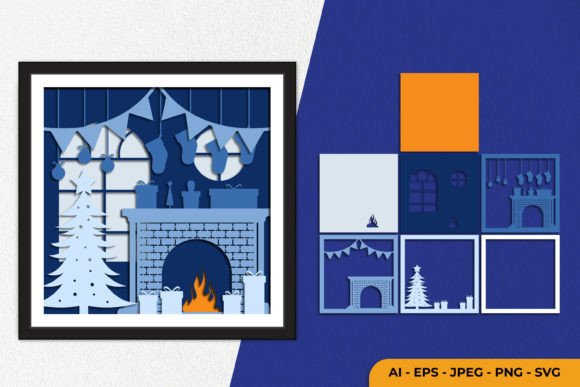
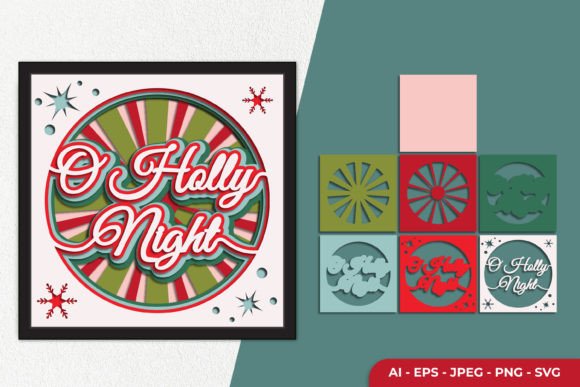
My initial reaction to the 3D O Holly Night Retro Layered Papercut was one of nostalgic appreciation. The design captures a mid-century modern mood that is currently dominating the handmade market. Unlike flat, traditional embroidery patterns, this graphic relies on depth and shadow to create its "3D" effect. Visually, it feels substantial. The layers suggest a tactile quality that begs to be interpreted through fabric rather than just paper or vinyl.
For an embroidery designer, this layout signals opportunity but also caution. The distinct separation of layers in the source file is perfect for planning an applique design or a multi-texture stitch project. However, because it originates as a cutting file, we must mentally convert those sharp vector lines into organic thread paths. The retro typography and stylized holly elements possess a visual personality that feels premium and gift-worthy, making it ideal for customers seeking something beyond generic holiday clip art.
Real-World Application: Stitching a Holiday Sweatshirt
To truly judge the viability of this asset, I envisioned a real-life scenario: creating a high-end holiday sweatshirt for a boutique drop. My goal was to use the 3D O Holly Night Retro Layered Papercut as the blueprint for a mixed-media piece. Instead of digitizing the entire complex image as dense fill stitch, which can make a garment stiff and bulletproof, I planned to utilize the layered nature of the design.
I imagined using the bottom layers as cut felt or wool appliqué, secured with a satin stitch border, while reserving running stitch details for the top retro accents. This approach honors the original 3D papercut aesthetic while keeping the sweatshirt embroidery wearable and soft. In this context, the design performs beautifully as a centerpiece for custom apparel. It offers enough visual weight to justify a higher price point for a finished product, yet retains the delicate charm necessary for personalized gifts. For craft business owners, this versatility means one digital embroidery file adaptation can serve multiple SKUs, from adult apparel to nursery decor.
Navigating Fabric Constraints and Hoop Limitations
While the aesthetic is versatile, practical execution requires careful judgment. The intricate layering inherent in the 3D O Holly Night Retro Layered Papercut style presents challenges on certain substrates. I would advise against using highly textured fabrics like terry cloth or loose-weave linen without significant modification. The fine details of retro script and thin decorative layers can get lost in the fabric grain, reducing stitching clarity and perceived value.
Stretchy fabrics also demand attention. If you are adapting this for baby embroidery or lightweight knits, the density required to mimic the 3D effect can cause puckering. You must verify your stabilizer choice rigorously; a single layer of tear-away often won't suffice for this level of detail. Furthermore, consider your hoop size. This design likely has a vertical orientation typical of papercuts. Ensure your machine’s maximum stitch area accommodates the full height without requiring re-hooping, which introduces alignment risks. For small shop products like caps or curved surfaces, I recommend simplifying the design significantly. The rigid geometry of a layered papercut does not always map well to the curved surface of a hat without distortion.
Elevating Product Value Through Design Integrity
In the competitive landscape of commercial embroidery and digital product sales, presentation is everything. Using the 3D O Holly Night Retro Layered Papercut correctly can significantly boost buyer engagement. When customers see a design that respects the original retro integrity—rather than a sloppy auto-digitized version—they perceive higher professionalism. This directly impacts customer trust and brand consistency.
For Etsy sellers offering printable mockups alongside physical items, this design serves dual purposes. The crisp lines work exceptionally well for digital previews, helping buyers visualize the final embroidered patch or tote bag design before purchase. However, ensure your listing photos accurately represent the texture difference between the digital graphic and the stitched reality. Transparency builds loyalty. A well-executed adaptation of this design transforms a simple holiday motif into a collectible piece of art, enhancing the giftability factor for end consumers looking for meaningful holiday embroidery.
Essential Designer Notes Before You Stitch
Before loading this design into your software or machine, run through this practical checklist to ensure success in your embroidery project:
- Verify Licensing Terms: Since this is sold as a cutting file for crafts, confirm whether the creator permits derivative commercial embroidery use or if a separate license is needed for selling finished goods.
- Test on Scrap Fabric First: Never stitch this directly onto a final product without testing. Check how the simulated 3D layers interact with your chosen thread colors and fabric texture.
- Analyze Stitch Density: If converting from vector to stitch, manually adjust density. Retro styles often look better with lighter, airier fills rather than heavy saturation.
- Check Thread Color Contrast: The 3D effect relies on contrast. Test in black and white mockups to ensure the layers remain distinct when converted to grayscale, which predicts stitch visibility.
- Inspect Small Details: Tiny lettering or thin accent lines in the papercut may need to be thickened or removed entirely to prevent needle breaks or thread shredding.
- Confirm Hoop Compatibility: Measure the actual dimensions of the adapted design against your machine's capabilities before committing to a production run.
- Evaluate Washability: If intended for tea towels or baby items, ensure the stitch structure can withstand frequent laundering without unraveling.
Final Thoughts for Makers and Sellers
The 3D O Holly Night Retro Layered Papercut is more than just a seasonal graphic; it is a test of a maker's ability to translate digital concepts into tactile reality. Whether you are producing custom apparel, designing an embroidered patch series, or expanding your digital assets library, this design offers a rich foundation for creativity. Success lies not in copying the file exactly, but in interpreting its retro soul through the language of thread. By respecting the technical limitations of embroidery while embracing the visual depth of the original artwork, you create products that resonate deeply with customers seeking authentic, handmade holiday charm. Always prioritize testing and quality over speed, and let the unique character of this retro masterpiece guide your creative decisions.