Christmas Snowglobe 3D Layered Papercut Review
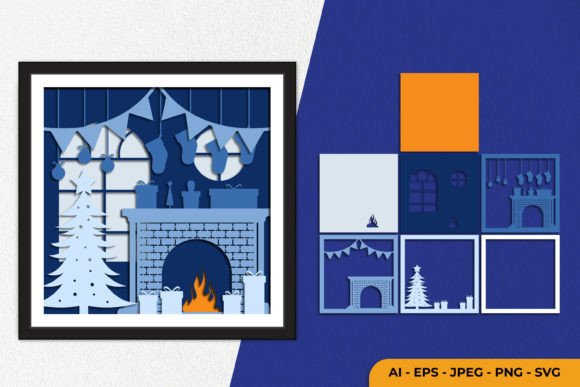
As a designer who constantly bridges the gap between digital assets and tangible textiles, I approach every new graphic with a specific question: how will this translate when thread hits fabric? When I first opened the Christmas Snowglobe 3D Layered Papercut files, my immediate reaction was one of appreciation for the structural depth. While these are technically cutting files designed for machines like Silhouette or Cricut, their layered architecture offers a unique blueprint for embroidery digitizers and mixed-media creators. The visual personality here is distinct; it evokes nostalgia and tactile warmth, moving away from flat, cartoonish holiday clip art toward something that feels architectural and premium.
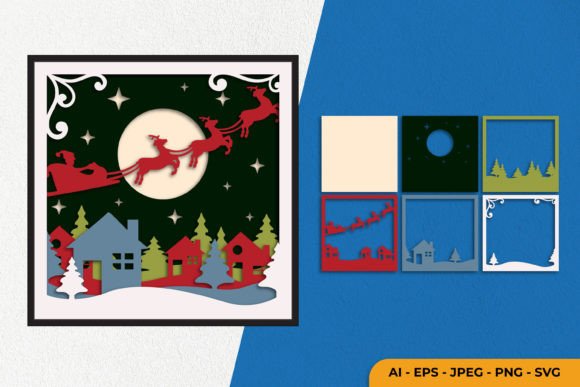
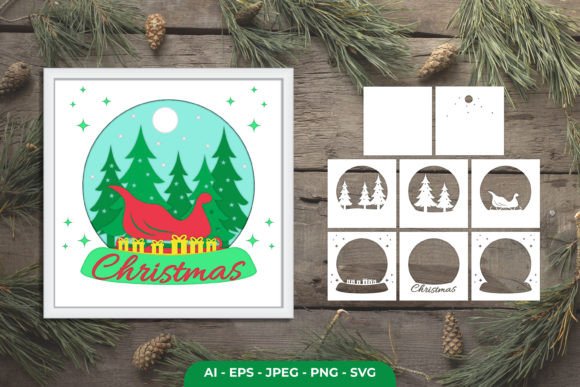
For those of us in the Crafts category, specifically working with Graphics as a foundation for textile arts, this design serves as an exceptional guide. It isn't just a picture of a snowglobe; it is a map of foreground, mid-ground, and background elements. For an embroidery designer, this separation is gold. It allows us to visualize how to break down a complex scene into manageable stitch types, ensuring the final machine embroidery design retains the 3D illusion without becoming a dense, bulletproof patch of thread.
Translating Paper Layers to Stitch Types
In my studio, I recently used this concept to develop a custom sweatshirt embroidery project for a boutique client who wanted high-end holiday merchandise. The challenge with snowglobes in embroidery is usually the glass effect and the internal clutter. Because the Christmas Snowglobe 3D Layered Papercut relies on physical spacing rather than printed shading, it solved the density problem before I even started digitizing. I treated the base layer as a sturdy fill stitch foundation, the globe outline as a crisp satin stitch, and the internal scenery as raised appliqué or textured stitches.
This approach transformed what could have been a flat graphic into a dimensional embroidery project. For Etsy sellers and small shop product creators, this distinction matters. Customers can feel the difference between a standard print-like stitch-out and a piece that has intentional topography. When creating custom apparel, particularly on heavier fabrics like fleece or French terry, utilizing the layered logic of this papercut design ensures the motif doesn't get lost in the fabric texture. The clear separation of elements guides your digitizing software to place tack-downs and trims logically, reducing jump stitches and improving the overall finish of the finished product.
Best Applications for Holiday Merchandise
Through testing and client feedback, I have found that this specific aesthetic performs best in applications where the viewer has time to appreciate detail. A tote bag design is a prime candidate. Totes offer a stable, flat canvas that mimics the paper medium closely. When stitching this onto canvas or denim, the 3D layering translates beautifully into a mix of applique design and decorative stitching. Similarly, holiday embroidery for home decor, such as pillow covers or tree skirts, benefits immensely from this style. The "papercut" look implies a handcrafted, folk-art quality that elevates the perceived value of handmade products.
For commercial embroidery businesses producing patches, this design structure is ideal. An embroidered patch requires clean edges and distinct color blocks. The layered nature of the Christmas Snowglobe 3D Layered Papercut naturally creates these boundaries. You can easily assign different thread colors to each layer, creating contrast through material rather than just hue. This makes the design readable from a distance while rewarding close inspection, a key factor for buyer engagement at craft fairs or in online listings.
Navigating Fabric Limitations and Hoop Sizes
However, professional judgment requires acknowledging where a design might struggle. While the 3D layered look is stunning, it demands respect for stitch density and stabilization. I would advise caution when applying this to stretchy knits or lightweight baby clothes without significant modification. The multiple layers implied by the papercut style can result in heavy stitch counts. If you are planning baby embroidery, you must simplify the internal layers to prevent the garment from becoming stiff or uncomfortable. Always prioritize the wearability of the personalized gift over the complexity of the graphic.
Hoop size is another critical constraint. Snowglobes are inherently round and often detailed. Trying to cram this intricate layering into a small 4x4 hoop may force you to reduce details to the point of unrecognizability. Tiny lettering inside the globe or minute snowflake details will turn into thread nests if scaled too small. For digital embroidery file creation based on this asset, I recommend a minimum 5x7 field to maintain the integrity of the running stitch details and satin borders. Additionally, dark fabrics present a challenge; the papercut aesthetic relies on shadows and highlights. On black or navy fabric, you lose the shadow depth unless you intentionally stitch light-colored underlays or use metallic threads to recreate the contrast.
Professional Workflow and Quality Assurance
Before listing any item derived from the Christmas Snowglobe 3D Layered Papercut, rigorous testing is non-negotiable. As a craft business owner, your reputation hinges on consistency. I always run a test stitch-out on scrap fabric that matches my final production material. Check your stabilizer choice; a cutaway is almost always necessary for this level of layering to prevent puckering. Review the design assets carefully to ensure you aren't violating licensing terms, especially if you plan to sell the digitized version as a digital embroidery file versus selling the physical embroidered good.
Create printable mockups and black-and-white simulations to verify contrast before threading your machine. Sometimes, two colors that look distinct on screen blend together in thread. Comparing light and dark fabric backgrounds in your planning phase saves hours of re-digitizing. For Etsy seller success, photograph the texture. Show the side profile of the embroidery so buyers understand the 3D quality inspired by the papercut source. This transparency builds customer trust and justifies a higher price point for commercial embroidery services or boutique goods.
Elevating Brand Consistency Through Design
Ultimately, integrating the Christmas Snowglobe 3D Layered Papercut into your workflow is about more than just a single holiday motif; it is about adopting a design philosophy that values depth and structure. Whether you are making design assets for sale or producing custom apparel for a local market, this layered approach signals professionalism. It shows you understand how graphics interact with physical media. By treating the cutting file as a structural guide rather than just a tracing template, you create embroidery projects that stand out in a saturated market.
Remember to verify all technical specifications within the downloaded files before beginning. Confirm which formats are included and ensure they align with your machine's capabilities. When executed with attention to fabric texture and proper stabilization, this design bridges the delicate world of paper crafts and the durable world of textiles, resulting in a handmade product that feels both timeless and expertly crafted. Use this review as a checklist for your next production run, ensuring every stitch serves the vision of the original art.