3D Dragonfly Layered Papercut: An Embroidery Review
As a designer who constantly bridges the gap between digital cutting files and needle-and-thread execution, I approach every new graphic with a specific question: will this translate into a durable, beautiful machine embroidery design? When I first opened the 3D Dragonfly Layered Papercut file, I wasn't just looking at a vector for a Cricut or Silhouette; I was mentally digitizing it. For fellow Etsy sellers, craft business owners, and makers, understanding how a papercut-style graphic behaves as an embroidery project is the difference between a bestseller and a stitch-out disaster.
First Impressions: Visual Depth and Stitch Potential
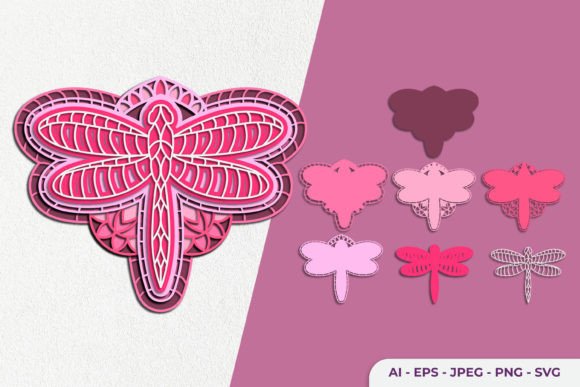
The immediate appeal of the 3D Dragonfly Layered Papercut lies in its implied dimensionality. In the world of Graphics and Crafts, layered designs are trendy because they mimic physical depth. As an embroiderer, I see this as a roadmap for texture. The distinct layers of the dragonfly’s wings and body suggest natural separation points for different stitch types. Instead of a flat, dense fill, this design begs for a combination of satin stitch borders to define the "paper" edges and lighter fill stitch patterns to create the illusion of shadow and lift.
The mood is organic yet structured. It doesn't feel like a cartoon; it feels like a botanical illustration reimagined in paper. This visual personality makes it exceptionally versatile for custom apparel and home decor. It avoids the generic clip-art look that can devalue a handmade product, offering instead a sophisticated aesthetic that appeals to buyers looking for elevated personalized gifts or boutique merchandise.
Real-World Application: The Linen Tote Bag Test
To truly evaluate this asset, I envisioned a specific scenario relevant to my current shop lineup: a natural linen tote bag design for a spring market collection. Linen has a visible weave and texture, which can sometimes swallow fine details. I needed to know if the 3D Dragonfly Layered Papercut would hold its own against the fabric texture.
In this mental test run, the layered aspect of the design became its greatest strength. Because the original file is designed for physical layering, the shapes are bold enough to support an applique design approach. Rather than stitching out thousands of fills, I could use the cutting file to create fabric layers (perhaps in sheer organza for wings and cotton for the body) and secure them with a running stitch or narrow satin border. This reduces stitch density significantly, preventing the tote bag from becoming stiff or bulletproof. For a commercial embroidery context where production time equals profit, this adaptability is crucial. The result is a textured, mixed-media finished product that looks high-end and feels soft to the touch.
Navigating Fabric Limitations and Hoop Constraints
While the design is versatile, my experience tells me to exercise caution in specific applications. The intricate layering that makes the 3D Dragonfly Layered Papercut visually stunning also creates potential registration risks on unstable fabrics.
- Stretchy Fabrics: On knit sweatshirt embroidery or performance wear, the multiple layers require perfect stabilization. If your stabilizer choice is inadequate, the layers may shift, ruining the 3D effect. I recommend testing on scrap jersey before committing to a retail garment.
- Small Hoop Sizes: Scaling down this design for baby embroidery or sleeve cuffs requires scrutiny. Papercut styles often rely on negative space. If reduced too much for a 4x4 hoop size, those spaces may close up during stitching. Always verify the minimum viable size where details remain distinct.
- Curved Surfaces: Applying this to caps or curved pouches is tricky. The rigid geometry of a layered papercut style fights against the curve of a hat brim. Reserve this digital embroidery file adaptation for flat surfaces like pillow covers, tea towels, or jacket backs.
- Dark Fabrics: The 3D effect relies on contrast between layers. On black or navy fabric, ensure your thread colors provide enough value separation, or the layers will visually merge, flattening the design.
Impact on Perceived Value and Brand Consistency
For creative entrepreneurs and small shop product developers, design choice dictates brand positioning. Using a well-adapted version of the 3D Dragonfly Layered Papercut signals intentionality. Customers recognize when a design has been thoughtfully translated rather than lazily auto-digitized. The interplay of thread sheen and matte fabric layers creates a tactile experience that increases the perceived value of holiday embroidery items or wedding gifts.
Furthermore, this design serves as excellent design assets for marketing. Before you even stitch, you can use the vector file to create a crisp printable mockup for your listings. This consistency between your digital preview and the actual embroidered patch or garment builds customer trust. When the physical item arrives and matches the professional presentation of the listing photos, return rates drop and reviews improve.
Essential Designer Notes for Successful Adaptation
Since this product is sold as a cutting file, not a pre-digitized embroidery file, the responsibility of translation falls on you. Here is my practical checklist for adapting the 3D Dragonfly Layered Papercut safely and effectively:
- Verify Licensing: Before listing any custom apparel or digital derivatives for sale, confirm the license terms included with your purchase. Ensure you have commercial rights for both physical products and potential digital adaptations.
- Test Contrast in Grayscale: Before selecting thread, convert your digitized version to black and white. If the layers disappear in grayscale, they lack sufficient contrast. Adjust density or add underlay to separate the visual planes.
- Stabilizer Matching: For woven fabrics like canvas or linen, use a cut-away stabilizer to support the layered weight. For sheers or lightweight cottons, consider a water-soluble topping to prevent stitches from sinking into the fabric grain.
- Mockup Validation: Create both light and dark background mockups. A design that pops on white might vanish on sage green. This step prevents costly inventory mistakes for Etsy seller shops with diverse color options.
- Wash Testing: If using this for baby embroidery or kitchen linens, wash your test sample three times. Layered appliqué edges can fray if not properly sealed. Ensure your edge finish withstands the intended lifecycle of the product.
- Detail Audit: Inspect the smallest wing veins or body segments. If they are thinner than 1mm in the vector, they may be too fragile for standard satin columns. Consider converting micro-details to running stitches or removing them entirely to maintain structural integrity.
The 3D Dragonfly Layered Papercut offers a fantastic foundation for makers willing to put in the translation work. It is not a plug-and-play solution, but rather a high-quality raw material for those who understand the relationship between vector art and textile construction. By respecting the technical constraints of embroidery while leveraging the design's inherent dimensional beauty, you can create commercial embroidery pieces that stand out in a saturated market. Whether you are crafting a signature tote bag design or expanding your digital product catalog, this graphic provides the stylistic flexibility needed for modern, profitable making.