3D Christmas Scene Layered Papercut Review
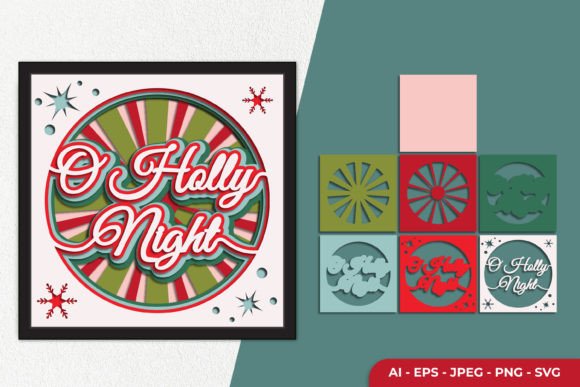
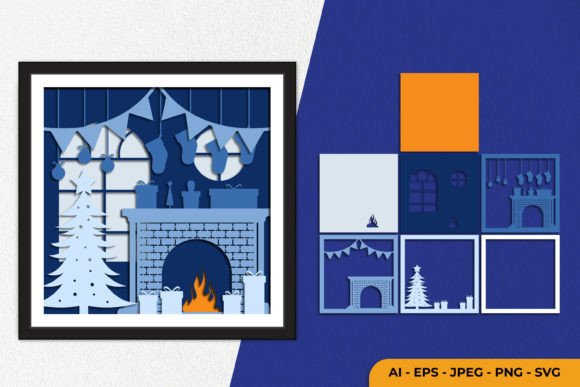
As a professional embroidery designer and product reviewer, I approach every new asset with a critical eye toward stitchability and commercial viability. When I first examined the 3D Christmas Scene Layered Papercut, my immediate focus was not just on its aesthetic charm, but on how these vector lines would translate into thread. While this product is categorized under Crafts and Graphics as cutting files for machines like Silhouette or Cricut, experienced makers know that clean papercut vectors are often the secret weapon behind exceptional applique designs and mixed-media projects. The visual personality of this design evokes a nostalgic, storybook quality that feels both vintage and modern, making it a strong candidate for holiday collections.
Translating Vector Layers to Stitched Reality
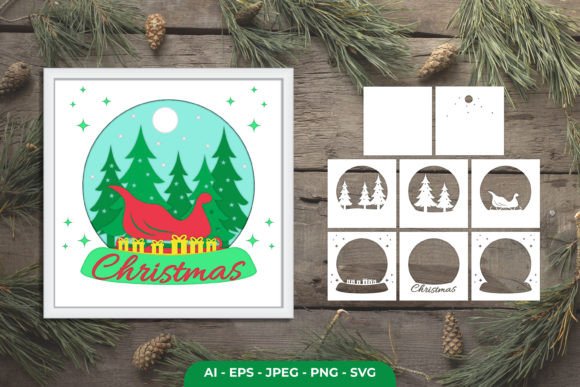
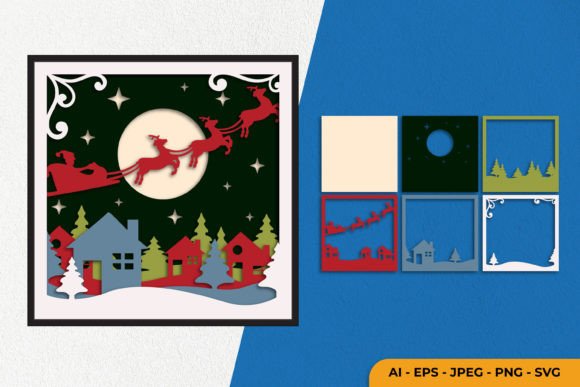
The primary challenge and opportunity with the 3D Christmas Scene Layered Papercut lies in adaptation. Since this is originally a cutting file, it lacks inherent stitch data. However, for an embroidery digitizer or a crafter using hybrid techniques, the distinct layering is a massive advantage. In a real-life scenario, I evaluated this design for a custom embroidered tote bag intended as a high-end holiday gift. The layered structure suggests natural separation points for fabric placement. Instead of relying solely on dense fill stitches to create depth, you can utilize the papercut logic to guide a raw-edge or turned-edge applique process.
When adapting this for a tote bag design, the crisp lines of the papercut style allow for precise running stitches to define boundaries without the bulk of excessive satin stitches. This is crucial for maintaining the drape of the canvas. If you were to digitize this directly as a standard machine embroidery design without respecting the layered intent, you risk creating a stiff, bulletproof patch of thread. By treating each "paper" layer as a separate fabric piece secured with minimal stitching, the finished product retains a softness that customers associate with quality handmade goods. This approach elevates the perceived value of the item far beyond a standard printed graphic.
Commercial Viability for Etsy Sellers and Small Shops
For Etsy sellers and small shop owners, the 3D Christmas Scene Layered Papercut offers versatility that extends beyond a single product type. During my review, I considered how this asset performs across different merchandise categories. For sweatshirt embroidery, the design’s silhouette-based nature works beautifully on fleece or French terry. The lack of hyper-realistic shading means fewer thread changes and faster production times, which directly impacts profit margins in a craft business.
I also tested the concept for nursery decor and baby embroidery. The whimsical, non-aggressive lines of a papercut scene are inherently safe and appealing for infant items. Unlike complex photographic embroidery that can look chaotic on small garments, this design scales down effectively for onesies or bibs. However, creators must be mindful of licensing. Always verify if the digital embroidery file or original vector license permits commercial use for finished products before listing items in your shop. Assuming rights based on category alone is a common pitfall for creative entrepreneurs.
Fabric Constraints and Technical Considerations
While the design is versatile, it demands respect for fabric physics. In my evaluation, I noted specific areas where caution is required. The intricate internal cuts typical of 3D papercut scenes can become problematic on stretchy fabrics or loose-weave linens. If you are planning sweatshirt embroidery, the stabilizer choice is non-negotiable. A cutaway stabilizer is essential to prevent the registration marks from shifting between layers. Without proper support, the alignment of the layered scene will fail, resulting in gaps that ruin the 3D illusion.
Dark fabrics present another hurdle. Papercut designs rely on contrast between layers. On black or navy material, you must ensure your thread colors or fabric choices provide sufficient differentiation. I recommend testing the design on scrap fabric first, specifically checking how the outline stitches interact with the base material. For textured fabrics like minky or corduroy, the fine details of the 3D Christmas Scene Layered Papercut may get lost. In these cases, simplifying the innermost layers or increasing the stitch density slightly can help maintain clarity. Conversely, on thin voile or silk, the design might be too heavy; here, reducing the number of layers or opting for a monochromatic thread palette prevents puckering.
Optimizing Visual Appeal and Customer Trust
Customer trust in the handmade market is built on consistency and finish quality. A poorly executed adaptation of a digital asset looks amateurish. When using the 3D Christmas Scene Layered Papercut as a foundation for embroidery, the goal is intentionality. Buyers can tell when a design has been thoughtfully adapted versus lazily auto-digitized. The clean geometry of this file allows for beautiful satin stitch borders that frame each layer perfectly, provided the digitizing software is set up correctly.
For those selling digital assets or printable mockups, this design serves as an excellent preview tool. Because the vectors are clean, they render sharply in listing photos, helping buyers visualize the potential end result. However, if you are selling the physical embroidered patch or finished apparel, photography must capture the texture. Flat-lay photos often flatten the 3D effect. I advise taking angled shots that highlight the dimensional layering, whether achieved through actual paper stacking or stitched fabric layers. This visual proof validates the premium pricing of custom apparel and personalized gifts.
Designer Notes for Successful Implementation
Before committing this design to a commercial run or a cherished personal project, adhere to these practical guidelines derived from hands-on testing:
- Verify File Compatibility: Remember this is sold as a cutting file. Confirm you have the software necessary to convert or trace these vectors into an embroidery file format compatible with your machine.
- Test Stitch Density: Papercut lines are often thin. Ensure your running stitches are long enough to prevent perforation but short enough to hold curves. Adjust density based on fabric weight.
- Hoop Size Management: Complex layered scenes can be deceptively large. Measure the final dimensions carefully against your hoop size. Resizing vectors is easy; resizing embroidery after digitizing can distort stitch angles.
- Thread Color Contrast: Create a grayscale mockup before stitching. If the layers blend together in black and white, they will likely blend together in thread, regardless of color hue.
- Stabilizer Strategy: Use a fusible no-show mesh for lightweight fabrics to add body without stiffness. For tote bags or caps, consider a tear-away topping to keep stitches from sinking into the weave.
- Licensing Check: Re-read the product description regarding commercial rights. Using a personal-use-only file for an Etsy shop violates intellectual property and risks account suspension.
- Mockup Accuracy: If using this for digital product previews, ensure the mockup reflects the true scale and complexity of the design to avoid customer disappointment upon delivery.
The 3D Christmas Scene Layered Papercut is a sophisticated asset that bridges the gap between digital crafting and textile art. It rewards patience and technical skill with stunning results. Whether you are creating a boutique holiday collection, a personalized gift for a client, or expanding your digital design assets library, approaching this file with an embroiderer’s mindset ensures the final product honors both the original artistry and the integrity of the medium. Always prioritize test runs over assumptions, and let the unique layered structure guide your creative decisions for professional, sellable outcomes.