3D Halloween Cat Layered Papercut Review
As a designer who constantly bridges the gap between digital assets and tangible textiles, I approach every new graphic with a specific question: how will this actually translate when needle meets fabric? When I first opened the 3D Halloween Cat Layered Papercut file, my immediate reaction was one of cautious optimism. While the product description clearly identifies these as cutting files for machines like Silhouette or Cricut, an experienced embroidery digitizer sees something else entirely. I see a roadmap for a stunning mixed-media project. However, translating a papercut aesthetic into a machine embroidery design requires more than just auto-digitizing; it demands a critical eye for structure, density, and material interaction.
First Impressions: Visual Depth and Structural Integrity
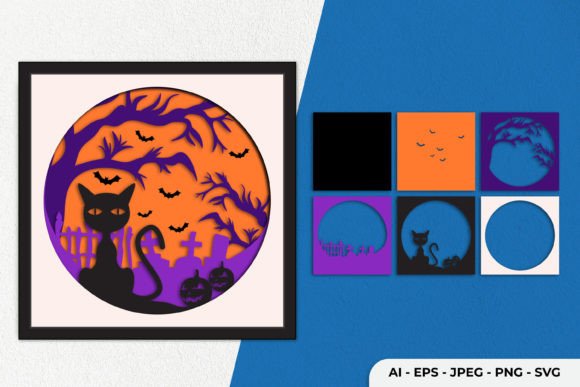
The visual personality of this 3D Halloween Cat Layered Papercut is undeniably charming. It captures that whimsical, slightly spooky mood perfect for autumn merchandise without being overly juvenile. The layered nature of the original graphic suggests depth, which is exactly what we strive for in high-quality embroidery projects. In its digital form, the clean lines and distinct separation of layers make it an ideal candidate for adaptation. For those of us in the Crafts category, this design offers a sophisticated alternative to standard flat clipart.
However, as Graphics intended for cutting, the lines are likely uniform and optimized for blades, not needles. My professional assessment is that this design shines brightest when treated as a template for an applique design rather than a dense fill stitch pattern. The "papercut" look relies on negative space and crisp edges. If you attempt to replicate this purely with thread on a dark sweatshirt, you risk losing that delicate, airy quality that makes the original so appealing. The design’s strength lies in its silhouette, making it perfect for combining cut fabric pieces with strategic stitching.
Real-World Application: The Custom Tote Bag Test
To truly evaluate this asset, I mentally walked through a recent client request for a boutique-style canvas tote bag. The client wanted a "spooky but cute" cat motif that felt handmade and textured, not like a mass-produced print. This is where the 3D Halloween Cat Layered Papercut proves its worth for Etsy sellers and small shop product creators.
For this tote bag design, I envisioned using the cutting file to create precision fabric layers from orange, black, and cream cotton. These would be fused onto the canvas base. Then, instead of covering the entire shape with satin stitches, I would use a running stitch or a narrow zigzag to secure the edges and add internal detail. This hybrid approach preserves the 3D papercut aesthetic while ensuring the finished product is durable enough for daily use. For a personalized gift or holiday market item, this method adds perceived value because the customer can physically feel the layers, distinguishing it from standard flat embroidery.
Navigating Fabric Limitations and Hoop Constraints
While the design is versatile, it is not universally forgiving. As an embroidery file adaptation, you must be mindful of where you place it. The intricate inner cuts typical of papercut styles can become problematic on highly textured fabrics like terry cloth or chunky knits. The fine details of the cat’s whiskers or facial expression may get lost in the pile, ruining the visual clarity.
I would also advise caution when planning baby embroidery or items for stretchy garments. Papercut designs often have disconnected elements. On a onesie or stretchy knit, if your stabilizer isn't adequate, those floating layers can shift during washing. For custom apparel like lightweight t-shirts, the density required to mimic a papercut edge might cause puckering. Always test on scrap fabric first. If you are aiming for sweatshirt embroidery, the weight of the fleece usually supports this style well, provided you use a cutaway stabilizer to prevent tunneling between the layered sections.
Commercial Viability and Brand Consistency
For creative entrepreneurs and craft business owners, time is money. The 3D Halloween Cat Layered Papercut scores high on efficiency because the vector paths are already established. This reduces the hours spent manually tracing artwork for digitizing. However, before listing any commercial embroidery products, verify your licensing. Just because a file is available for cutting does not automatically grant rights to sell digitized versions or finished embroidered goods.
From a branding perspective, this design offers excellent consistency across different mediums. You could use the original cutting file for vinyl decals on packaging or window clings, and the adapted digital embroidery file for premium textile goods. This cross-platform utility helps build recognition. When creating printable mockups for your listings, ensure the digital preview accurately reflects the stitched texture. Customers trust sellers whose photos match reality. A flat digital rendering of a layered papercut can be misleading; show the actual thread texture and fabric layering to manage expectations and reduce returns.
Technical Notes for Digitizers and Makers
If you decide to adapt this 3D Halloween Cat Layered Papercut for needlework, keep these practical notes in mind to ensure professional results:
- Verify Compatibility: Since this is sold as a cutting file, confirm you have the software necessary to convert vectors to stitches or use it as a guide for manual digitizing. Do not assume an embroidery file format is included unless specified.
- Stitch Density Management: Avoid heavy fill stitches. To maintain the papercut illusion, rely on edge definition. Use a satin stitch only for borders and a running stitch for internal veins or shading. High density kills the delicate vibe.
- Thread Color Contrast: Test your palette on both light and dark backgrounds. Papercut designs rely on shadow and contrast. If stitching on black fabric, ensure your top thread colors provide enough pop, or consider using white underlay to brighten the area.
- Hooping Strategy: Choose the smallest appropriate hoop size to maximize tension stability. Large hoops with small designs can lead to registration issues, especially with multi-layer appliques.
- Washability Check: If selling holiday embroidery or kitchen linens, remember that intricate layers are snag hazards. Consider sealing raw edges thoroughly or using a fray check solution during assembly.
- Mockup Accuracy: When marketing to other makers or end consumers, distinguish between the digital art and the stitched result. Transparency builds authority.
Final Verdict for the Embroidery Professional
The 3D Halloween Cat Layered Papercut is a robust starting point for mixed-media and applique work, provided you respect the translation process. It is not a plug-and-play embroidery design out of the box, but rather a high-quality architectural blueprint for textile art. For the Etsy seller looking to expand their autumn catalog or the hobbyist wanting to try something beyond basic fills, this asset offers significant creative potential. By treating the layers as physical fabric components rather than just thread regions, you honor the original design intent while creating a handmade product that stands out in a saturated market. Always prioritize testing and fabric compatibility, and this playful feline will serve your business beautifully season after season.