Pencil Box English and Spanish: A Designer’s Review
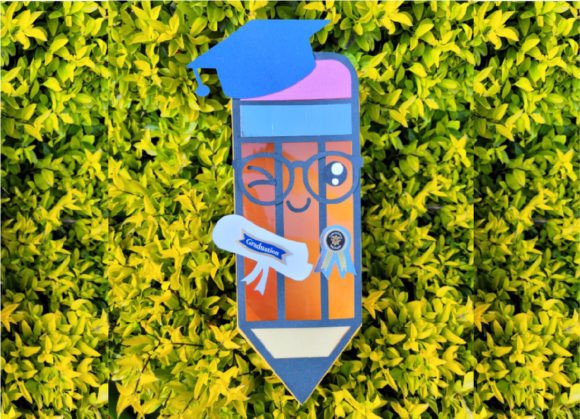
As a professional designer who constantly bridges the gap between digital assets and tangible, handmade products, I approach every new file with a healthy dose of skepticism. When evaluating the Pencil Box English and Spanish design, my first thought wasn't just about how cute it looks on screen, but how it translates into a physical finished product. This isn't merely a flat graphic; categorized under Shapes and provided as a 3D SVG, this asset suggests depth, structure, and utility. For Etsy sellers, craft business owners, and makers focusing on bilingual markets or educational themes, this design offers a unique opportunity to create functional art. However, moving from a vector file to a stitched reality requires careful planning, especially when dealing with structural elements like cardboard and liquid silicone mentioned in the material requirements.
First Impressions: Structural Integrity and Bilingual Utility
The immediate appeal of Pencil Box English and Spanish lies in its dual-purpose nature. In the world of commercial embroidery and personalized crafting, versatility is currency. Seeing instructions and labeling in both languages immediately broadens the potential customer base for any small shop product. Visually, the shape implies a clean, geometric aesthetic that feels organized and scholastic. Unlike whimsical, chaotic nursery designs, this carries a mood of preparedness and creativity. As a digital embroidery file, the lines appear crisp, suggesting that the digitizer understood the importance of clear boundaries. This is crucial because when we introduce 3D elements or mixed media like cardboard into embroidery, fuzzy digital lines result in messy physical assemblies. The design feels intentional, aimed at creators who want to produce items that look professionally manufactured rather than hastily crafted.
Real-World Application: The Custom Tote Bag Test
To truly judge this machine embroidery design, I mentally placed it onto a heavy-duty canvas tote bag design intended for a teacher appreciation gift. Teachers often need bilingual resources, making this specific asset highly relevant. In this scenario, the Pencil Box English and Spanish serves as more than decoration; it acts as a visual anchor. If using this as an applique design, the satin stitch borders would need to be substantial enough to hold fabric layers securely without puckering the canvas. Alternatively, if utilizing the 3D SVG aspects to create a literal pouch attached to the tote, the alignment marks become the most critical part of the embroidery file.
For custom apparel like a denim apron or a sturdy sweatshirt, the design’s structured shape provides a satisfying contrast to the drape of the fabric. I can envision this working beautifully for holiday embroidery projects where students are gifted personalized supplies. The bilingual aspect adds a layer of inclusivity that increases the perceived value of the handmade product. Customers aren't just buying a pencil box motif; they are buying a culturally aware, functional piece of organization. For those selling design assets or finished goods, this specific intersection of utility and aesthetics is where profit margins improve because the item solves a problem while looking beautiful.
Navigating Technical Challenges and Fabric Limitations
While the design is promising, experienced makers know that "3D" and "cardboard" in embroidery instructions signal a need for caution. You must ungroup in your program and verify layer separation before stitching. Not all machines handle mixed-media registration perfectly. When working with Pencil Box English and Spanish, consider the following technical constraints:
- Fabric Texture and Weight: Avoid thin, stretchy knits unless heavily stabilized. The addition of cardboard or dense fill stitches required for a 3D effect will cause lightweight jersey to warp. Opt for twill, canvas, denim, or felt.
- Hoop Size Verification: Confirm your hoop size accommodates the full assembly area. 3D SVGs sometimes have extended registration lines that fall outside standard 4x4 hoops. Always check dimensions before purchasing.
- Stitch Density Management: If converting this vector into an embroidered patch, ensure the stitch density isn't too high for the cardboard backing. Needle breaks are common when hitting rigid materials. Test on scrap cardboard first.
- Dark vs. Light Fabrics: Since this involves English and Spanish text, contrast is non-negotiable. On dark fabrics, ensure the running stitch or satin stitch outlining the text is thick enough to remain legible. Tiny lettering disappears on textured dark backgrounds.
- Washability: If the project includes liquid silicone or cardboard, verify if the final item is washable. This design may be better suited for decorative organizers or desk accessories rather than baby bibs or items requiring frequent laundering.
Enhancing Product Value and Professional Presentation
The difference between a hobbyist project and a boutique item often comes down to execution. Using Pencil Box English and Spanish correctly elevates your brand consistency. When creating printable mockups for your online store, show the design in context—perhaps next to actual pencils or on a desk—to help buyers visualize scale. The bilingual feature should be highlighted in your product description as a key selling point for personalized gifts in diverse communities.
Furthermore, consider the tactile experience. If you are using this embroidery project to make physical boxes, the precision of your cutting and gluing matters as much as the stitching. Liquid silicone requires patience; rushing leads to visible glue strands that ruin the professional finish. For Etsy sellers, photographing the process or the internal structure can build customer trust by demonstrating quality construction. This transparency turns a simple shapes category item into a premium small shop product.
Essential Designer Notes Before You Stitch
Before committing this digital embroidery file to your best fabric, run through this practical checklist. These steps save time, thread, and frustration:
- Test on Identical Materials: Do not test on cotton if your final project is canvas. The tension requirements differ vastly, especially with 3D elements.
- Verify Licensing: Confirm whether the license allows for selling finished physical products versus just the digital file. This distinction is vital for commercial embroidery compliance.
- Check Thread Colors: Simulate the color palette in your software. Ensure the English and Spanish text are distinguishable, perhaps using contrasting thread colors to aid readability.
- Inspect Small Details: Zoom in to 100% in your editing software. If letters are smaller than 4mm, they may need to be resized or simplified to prevent thread bunching.
- Stabilizer Selection: For 3D applications involving cardboard, use a firm cut-away stabilizer rather than tear-away to maintain structural integrity during the stitching process.
- Mockup Validation: Create black and white mockups to check value contrast. If the design looks muddy in grayscale, it will lack visual pop in real life.
Ultimately, Pencil Box English and Spanish is a robust asset for the maker who values function alongside form. It challenges the creator to think beyond flat embroidery and consider construction, language, and end-use. Whether you are producing baby embroidery keepsakes, school supplies, or sweatshirt embroidery for a university bookstore, success lies in respecting the technical demands of the file. By treating this design with professional rigor—testing thoroughly, choosing appropriate substrates, and honoring the bilingual intent—you transform a simple SVG into a meaningful, marketable creation that resonates with a wider audience.