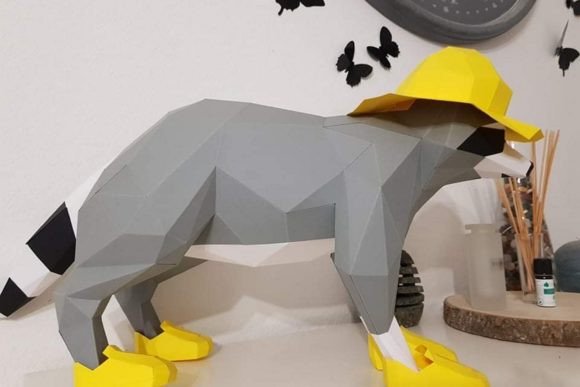
Raccoon in a Rainy Day: Embroidery Design Review
As a professional embroidery designer and product reviewer, I approach every new digital asset with a critical eye toward production viability. When evaluating the Raccoon in a Rainy Day Paper Sculpture by Sofs Design, my primary focus is not just on the aesthetic charm of the original 3D SVG template, but on how its structural elements translate into a functional machine embroidery design. This review assesses the artwork from the perspective of a maker preparing for real-world application, specifically focusing on translating paper sculpture aesthetics into thread-based media for commercial and personal projects.
Translating Paper Aesthetics to Thread Logic
The first impression of this design is undeniably whimsical. The "paper sculpture" style implies distinct layers, clean geometric edges, and a sense of depth created through shadow and overlap. For an embroidery digitizer or end-user, this visual language is excellent news. Unlike complex photorealistic images that require heavy fill stitches and high density, paper-style art naturally lends itself to cleaner embroidery files. The defined shapes suggest that this design will likely utilize a combination of satin stitch borders and lighter fill stitch interiors, which keeps the overall stitch count manageable and reduces fabric distortion.
However, the transition from vector to stitch requires careful consideration of texture. In a paper model, depth is physical; in embroidery, depth is illusionary. When reviewing this Raccoon in a Rainy Day motif, I look for how well the digitization captures those layered shadows. If you are using this as a base for custom apparel or nursery decor, ensure the contrast between the raccoon’s features and the rainy background elements is achieved through thread color variation rather than relying solely on density. This ensures the design remains soft to the touch, which is non-negotiable for baby embroidery and wearable items.
Real-World Application: The Custom Sweatshirt Test
To truly evaluate this design, let us consider a specific production scenario: creating a line of cozy, oversized sweatshirts for an Etsy shop targeting nature-loving parents. The moody, rainy day theme pairs perfectly with fleece and French terry fabrics, but these materials present unique challenges due to their pile and stretch.
In this context, the Raccoon in a Rainy Day Paper Sculpture serves as an ideal centerpiece because its bold, graphic nature cuts through the fabric texture better than fine-line illustrations. When stitching this onto a sweatshirt, the "paper" aesthetic allows for a stylized look that doesn't fight the garment's casual vibe. I envision placing this design centrally on the chest or as a smaller emblem on the wrist cuff. For the cuff application, you must verify the hoop size compatibility, as the intricate details of a paper sculpture can be lost if scaled down too aggressively. The clean lines typical of this art style generally hold up well at reduced sizes, provided the running stitch outlines are sufficiently thick to prevent sinking into the fleece.
From a business perspective, this design offers strong shelf appeal. It bridges the gap between gender-neutral nursery decor and trendy cottagecore fashion. For small shop owners, this versatility means one embroidery file can serve multiple product categories, from embroidered patches for denim jackets to tea towels for kitchenware collections. The recognizable animal theme combined with the atmospheric weather element creates an emotional connection that drives sales more effectively than generic clipart.
Navigating Fabric Limitations and Technical Constraints
While the design is versatile, it demands respect for technical limitations. The "rainy day" aspect often implies vertical lines or scattered droplets, which can be problematic on certain substrates. Here are specific areas where caution is required:
- Stretchy Knits and Dark Fabrics: If the rain elements are rendered as delicate running stitches, they may disappear on dark charcoal or navy sweatshirts. Always test thread colors against your specific fabric batch. You may need to increase the stitch length or add a subtle underlay to lift the threads above the fabric nap.
- Curved Surfaces: Applying this design to caps or curved tote bag panels requires stabilization strategy. Paper sculpture designs rely on precise alignment to create the 3D effect. If the fabric shifts during hooping, the "layers" will misalign, destroying the illusion. Use adhesive spray stabilizer and basting stitches to lock the fabric grain before the main design stitches out.
- High-Wash Items: For kitchen towels or baby bibs, durability is key. Ensure the satin stitch borders are not too wide, as wide satins are prone to snagging in washing machines. If the original file has expansive satin areas, consider editing them to textured fills for products intended for heavy use.
- Small Hoop Sizes: Avoid shrinking this design below its recommended minimum size. The facial expression of the raccoon and the separation between paper layers contain critical detail points. Compressing these results in thread buildup and poor registration.
Enhancing Product Value and Brand Consistency
Using a distinctive design like the Raccoon in a Rainy Day Paper Sculpture elevates the perceived value of handmade products. Customers associate the structured, intentional look of paper-art-style embroidery with high-end boutique goods rather than mass-produced merchandise. This visual professionalism builds trust. When listing items online, the clear, graphic nature of this design photographs exceptionally well, making it easier to create accurate printable mockups and digital product previews.
For creative entrepreneurs selling finished goods, consistency is vital. This design belongs to the Animals category but carries a specific artistic signature. Pairing it with other paper-sculpture-style assets from Sofs Design can help establish a cohesive brand identity across your shop. Whether you are selling the physical embroidered patch or the digital embroidery file itself, maintaining this stylistic thread encourages repeat customers who appreciate the specific aesthetic niche.
Essential Pre-Production Checklist for Makers
Before committing this design to a final product or listing it in your store, adhere to this practical workflow to ensure quality and compliance:
- Verify Licensing Terms: Confirm whether your purchase includes commercial rights for selling finished embroidered products versus reselling the digital file. This distinction is critical for Etsy sellers and craft business owners.
- Conduct a Stitch-Out Test: Never skip testing on scrap fabric that matches your final project weight. Check for puckering around the raccoon’s outline and ensure the rain elements do not cause tunneling.
- Audit Stabilizer Choice: Match your stabilizer to the fabric texture. A tear-away might suffice for woven cotton, but a cut-away is mandatory for sweatshirt embroidery to maintain the integrity of the paper sculpture layers over time.
- Review Color Contrast: Test the design in both light and dark thread palettes. The mood of a "rainy day" can shift from cozy to gloomy depending on saturation. Adjust thread colors to match your target demographic’s preferences.
- Check File Compatibility: Ensure the embroidery file format matches your machine requirements. While the source is a 3D SVG, your embroidery machine requires specific stitch formats. Verify all conversion settings preserve the original design’s geometry.
The Raccoon in a Rainy Day Paper Sculpture represents a thoughtful intersection of digital art and textile craft. Its strength lies in its adaptability; it is charming enough for a personalized gift yet structured enough for commercial embroidery production. By respecting the technical requirements of translating paper aesthetics to thread, makers can leverage this design to create durable, beautiful, and marketable products that stand out in a crowded handmade marketplace. Always prioritize test stitching and fabric compatibility to ensure the final result honors both the original artistry and the expectations of your customers.