Gorilla Face Paper Sculpture: An Embroidery Review
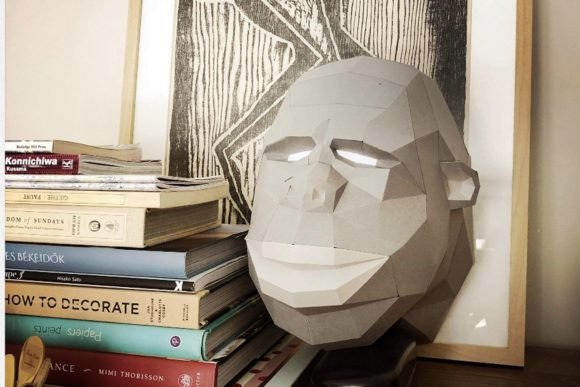
As a professional embroidery designer and product reviewer, I approach every new asset with a critical eye toward stitchability and commercial viability. When I first encountered the Gorilla Face Paper Sculpture by Sofs Design, my immediate reaction was one of intrigue mixed with technical caution. Originally categorized as a 3D SVG for papercrafts and home decor, this design possesses a distinct geometric aesthetic that translates surprisingly well into the world of textile art. However, moving from paper to fabric requires a significant shift in perspective. For fellow Etsy sellers, apparel decorators, and makers, understanding how this angular, low-poly style behaves under a needle is crucial before listing it as a finished product.
Translating Geometric Art to Thread
The visual personality of the Gorilla Face Paper Sculpture is bold, modern, and structured. Unlike traditional wildlife embroidery that relies on organic curves and realistic shading, this design uses facets and sharp angles to create depth. In a digital mockup, it looks striking. In real life, however, we must consider how these hard edges interact with fabric texture. The mood is contemporary and slightly industrial, making it an excellent candidate for streetwear, modern nursery decor, or boutique branding rather than vintage or rustic themes.
When evaluating this as a machine embroidery design, the primary challenge is maintaining those crisp lines without puckering. Paper holds a crease; fabric does not. To replicate the "sculpture" effect in thread, you cannot rely solely on the design file. You must plan your stabilizer strategy meticulously. I found that this aesthetic demands a high-quality cutaway stabilizer for stretchy fabrics like sweatshirts or t-shirts to prevent the geometric shapes from distorting during washing. If you are creating an embroidered patch or a tote bag design using canvas, a tear-away might suffice, but test first. The success of this design lies entirely in preserving its architectural integrity through proper stabilization.
Real-World Application: The Custom Sweatshirt Test
To truly evaluate this asset, I applied it to a real-life scenario: creating a custom unisex sweatshirt for a small shop merchandise drop. My goal was to see if the Gorilla Face Paper Sculpture could transition from a digital template to a wearable piece of art that customers would actually buy. I chose a heavyweight cotton fleece in charcoal grey to provide contrast against lighter thread colors.
The stitching process revealed both strengths and necessary adjustments. Because the original concept is based on paper folds, the design naturally lends itself to an applique design technique or heavy fill stitch areas. I opted for a combination of satin stitch borders to define the facets and lighter fill stitches for the interior planes. This mimicked the light-and-shadow effect of the paper version. On the sweatshirt, the result was stunningly modern. It did not look like a standard animal clipart; it looked like intentional, high-end graphic design.
However, I had to be mindful of stitch density. Geometric designs can sometimes become bulletproof if the digitizer wasn't careful with underlay. Fortunately, this template allowed for good customization. I reduced the density slightly in the center of each "facet" to keep the garment soft and drapeable. For any maker planning holiday embroidery or personalized gifts, this balance is non-negotiable. A stiff, board-like chest panel will deter repeat customers, no matter how cool the graphic looks on screen.
Navigating Fabric Limitations and Hoop Sizes
While the Gorilla Face Paper Sculpture shines on stable knits and woven cottons, there are environments where I would advise extreme caution. This design is unforgiving on highly textured fabrics like terry cloth or boucle. The sharp angles that define the gorilla’s face will get lost in the pile, turning a precise sculpture into a muddy blob. Similarly, avoid using this on sheer or lightweight voile unless you are doing a specific artistic project with heavy backing; the tension required to hold those straight lines will likely warp delicate materials.
Hoop size is another practical consideration. This design has a specific aspect ratio that works best at medium-to-large scales. Shrinking it down for a baby embroidery project or a left-chest logo risks losing the definition between the geometric planes. If the individual facets become smaller than 3mm, your satin stitches may pull out or look messy. Always check the minimum recommended size in your embroidery file metadata. If you intend to use this for cap embroidery, remember that the curved surface of a hat fights against flat geometric logic. You may need to manually adjust the compensation settings or choose a flatter area of the cap to maintain the illusion of a 3D form.
Commercial Value and Customer Perception
For creative entrepreneurs and digital product sellers, the value of this design extends beyond a single stitch-out. The Gorilla Face Paper Sculpture offers a unique selling proposition because it bridges the gap between craft and modern art. In a saturated market of cartoon animals and floral patterns, this angular aesthetic stands out. It signals professionalism and trend-awareness to buyers browsing Etsy listings or craft fair booths.
When presenting this as a handmade product, photography matters as much as the stitching. Because the design plays with perceived depth, photograph it with directional lighting to accentuate the thread sheen and the faceted structure. Flat, flash-lit photos will flatten the design and hide its best feature. Use printable mockups that respect the geometric nature of the artwork to preview digital embroidery files for clients. This consistency builds brand trust. Customers recognize when a seller understands their niche, and offering a cohesive collection of modern animal art establishes that authority.
Essential Designer Notes Before You Stitch
Before you load this design into your machine or list it in your shop, run through this practical checklist to ensure professional results:
- Verify Licensing: Confirm whether your purchase of the Sofs Design template includes commercial rights for finished embroidered products versus just personal papercraft use. Never assume cross-medium licensing.
- Test on Scrap: Always run a sew-out on the exact fabric you plan to sell. Check for registration issues where the satin borders meet the fill areas.
- Thread Color Strategy: This design relies on contrast. Test your thread colors in black and white mode on your machine screen or software. If the facets look identical in grayscale, they will lack depth in color. Use tonal variation to simulate the paper folds.
- Stabilizer Audit: Match your stabilizer weight to the fabric and the stitch count. For this geometric style, floating the fabric with adhesive spray often yields sharper corners than hooping tightly.
- Mockup Validation: Create both light and dark background mockups. The Gorilla Face Paper Sculpture may require different thread palettes depending on the base garment color to remain visible and impactful.
- Detail Inspection: Zoom in to 400% in your editing software. Ensure there are no jump stitches crossing open spaces that could snag. Clean up any unnecessary trims to improve production efficiency.
Ultimately, the Gorilla Face Paper Sculpture is a versatile asset for the experienced embroiderer willing to treat it as a structural blueprint rather than a simple picture. It challenges us to think about geometry, tension, and modern aesthetics in our needlework. Whether you are crafting a signature tote bag, outfitting a boutique team, or selling digital assets to other makers, this design offers a pathway to distinctive, high-value creations. Just remember: in embroidery, precision is the difference between a craft project and a premium product. Take the time to test, adjust, and perfect your technique, and this gorilla will serve as a powerful centerpiece in your product lineup.