Cube Box Template: 3D SVG Shapes for Editorial Design
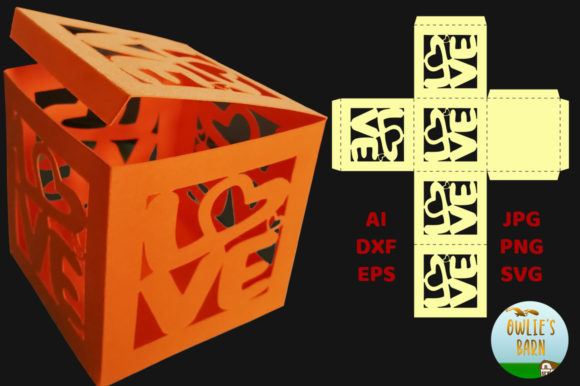
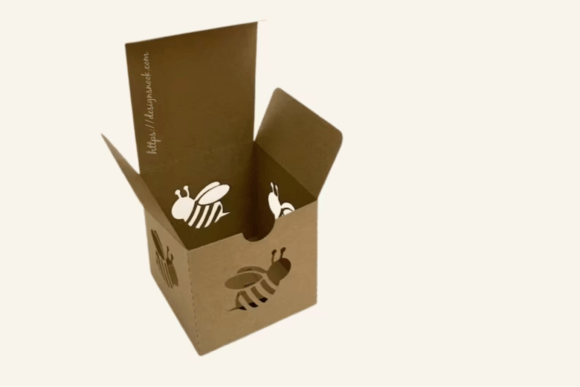
As a digital publisher and blog designer, I constantly evaluate how individual design assets translate from a creative marketplace listing to a live, high-traffic website. When reviewing the Cube Box Template, Gift Box, Treat Box collection, my primary focus is not just on the cut lines for crafters, but on the vector geometry’s potential for screen-based editorial design. This asset immediately strikes me as a versatile tool for content creators who need to visualize tangible products in a digital space. The clean, geometric nature of this cube box template v3 creates an instant sense of order and professionalism. It avoids the cluttered aesthetic that often plagues DIY niches, offering instead a modern design foundation that feels equally at home in a lifestyle blog, an educational resource hub, or a small business branding kit.
The editorial mood established by this graphic design asset is distinctly crisp and organized. Unlike hand-drawn illustrations that suggest whimsy, these precise shapes communicate reliability and structure. For a publisher, this is crucial. When a reader lands on a post about packaging tutorials, party favors, or product photography, the visual hierarchy needs to guide them effortlessly. This template provides that anchor. It supports content niches ranging from soap making and confectionery to toy storage and gift wrapping without feeling overly juvenile. The vector format ensures that whether I am designing a massive website header or a tiny category thumbnail, the edges remain sharp and the proportions remain mathematically perfect, which subconsciously signals quality to the audience.
Translating Vector Geometry into High-Converting Blog Graphics
In a real publishing workflow, I utilize assets like this Cube Box Template, Gift Box, Treat Box to solve specific visual communication problems. One of the most common challenges in content marketing is creating featured images that look custom-made rather than generic. By importing the SVG or DXF files directly into Adobe Illustrator or converting them for use as a Canva template, I can create bespoke blog graphics in minutes. For example, when preparing a Pinterest pin for a "How to Wrap Gifts" tutorial, I can isolate the cube shape, apply a brand-specific color palette, and add drop shadows to create depth. This transforms a flat pattern into a compelling 3D SVG representation that stops the scroll.
Beyond social media graphics, this asset serves as a structural element for digital products and lead magnets. If I am designing a downloadable PDF guide on packaging design or a checklist for event planners, the cube box template acts as a recurring visual motif. It reinforces brand identity across multiple pages and formats. For affiliate marketers promoting packaging supplies or Cricut machines, using this accurate vector representation builds trust; readers see exactly what they will get, rendered cleanly against a professional background. The ability to manipulate the treat box, favor box, or soap box variations independently allows for dynamic layout creation in newsletter banners and email headers, keeping the visual experience fresh even when discussing similar topics.
Optimizing Visual Hierarchy and Reader Trust Through Shapes
The performance of content often hinges on how quickly a user understands the value proposition. Shapes play a silent but powerful role in this cognitive processing. The Cube Box Template, Gift Box, Treat Box leverages the psychological association of cubes with stability and containment. In an editorial layout, placing this asset near a call-to-action button or a key takeaway box draws the eye naturally. It creates a focal point that breaks up text-heavy sections without adding visual noise. This is particularly effective for online educators and digital publishers creating worksheets or interactive content, where the box can serve as a container for text, checklists, or coupon codes within the graphic itself.
Consistency is another metric where this design asset excels. A cohesive visual identity requires reusable elements that scale across platforms. Because this is a vector digital download available in SVG, DXF, and PDF formats, I can maintain identical line weights and proportions from a 4K desktop display down to a mobile screen. This consistency improves reader trust; the site looks intentional and polished. For small business branding, utilizing the same cube geometry in Instagram stories, blog headers, and printable packaging labels creates a unified ecosystem. The asset bridges the gap between the digital content and the physical product, making the transition from reading about a project to actually making it feel seamless and attainable.
Publisher Notes: Technical Integration and Licensing Safety
While the aesthetic versatility of the Cube Box Template, Gift Box, Treat Box is impressive, successful implementation requires technical diligence. As a publisher, I always test vector assets in context before committing to them. Here are critical considerations for integrating this 3D SVG into your web design and content strategy:
- Mobile Thumbnail Testing: Always preview the cube shape at 150px width. Complex fold lines can turn into visual mud on small screens. Simplify the vector paths for mobile-specific graphics to ensure the shape reads clearly as a box.
- Contrast and Accessibility: Test the asset in grayscale. If the cube relies solely on color to define its 3D form, it may fail accessibility standards. Ensure stroke widths are sufficient and consider adding subtle shading or texture for better definition.
- Typography Pairing: This geometric asset pairs exceptionally well with bold sans-serif fonts for modern headlines or elegant serifs for editorial sophistication. Avoid overly decorative script fonts inside the box shape, as the competing curves and straight lines can reduce readability.
- File Size Management: While vectors are lightweight, exported PNGs for web use must be optimized. Compress images properly to maintain site speed, especially if using the asset in multiple locations on a single page.
- Commercial License Verification: Before using this asset on monetized websites, affiliate pages, or paid digital guides, confirm the specific commercial license terms. Ensure you are permitted to use the vector in flattened digital designs versus only selling physical cuts.
- Background Context: Avoid placing the white or light-colored cube template on low-contrast backgrounds. Use it against solid colors, subtle gradients, or lifestyle photography overlays to make the shape pop.
Strategic Placement for Maximum Editorial Impact
Knowing where to deploy the Cube Box Template, Gift Box, Treat Box is as important as the design itself. This asset performs best in hero images where it can establish the theme immediately, and in Pinterest pins where vertical composition benefits from stacked geometric shapes. It is also highly effective as a decorative accent in sidebar widgets or footer areas to reinforce niche relevance without distracting from navigation. For content upgrades and printable resources, the template serves as both decoration and functional layout guide.
However, exercise caution in certain contexts. In highly corporate or serious professional niches, a literal box template might feel too craft-oriented unless stylized significantly. Similarly, avoid using the full-detail version in text-heavy blog images where the intricate fold lines compete with body copy. In busy layouts with multiple competing elements, the cube can add to the chaos rather than resolving it. Always prioritize clarity over decoration. When used strategically, this graphic design asset elevates the perceived value of your content, turning standard blog posts into polished editorial experiences that resonate with both readers and search engines. The intersection of functional utility and aesthetic precision makes this cube box template a valuable addition to any digital publisher's asset library.