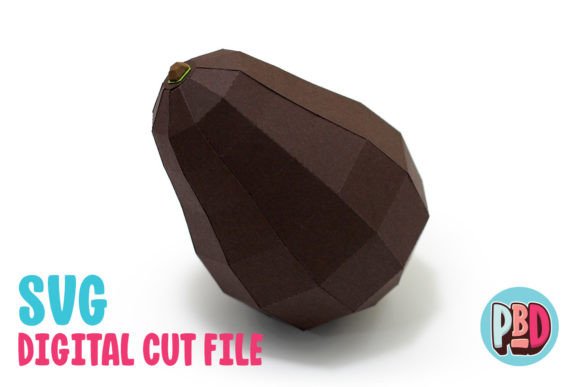
Avocado 3D Papercraft: 3D SVG Shapes for Editorial Design
As a digital publisher and blog designer, I constantly evaluate graphic design assets not just for their aesthetic appeal, but for their functional utility in a real content workflow. When I first opened the files for the Avocado 3D Papercraft, my immediate assessment was focused on editorial versatility. This asset strikes a specific balance between playful charm and clean, modern geometry that is often difficult to find in the creative marketplace. It does not feel childish; rather, it possesses a tactile, artisanal quality that signals high-effort content to the reader. For publishers in the lifestyle, wellness, culinary, or sustainable living niches, this visual tone is critical. It creates an immediate sense of warmth and organic creativity that flat vector illustrations sometimes lack.
The editorial mood established by this asset is distinctly "maker-focused." In an era where AI-generated imagery is flooding content sites, a papercraft aesthetic implies human touch and tangible reality. This builds reader trust subconsciously. When I integrate this type of modern design into a website header or featured image, it tells the audience that the content within is curated, thoughtful, and likely includes actionable advice or physical projects. It supports a brand identity that values texture and depth over sterile minimalism.
Deploying 3D Assets Across Content Marketing Channels
In my publishing workflow, a single digital download must earn its keep across multiple platforms. The Avocado 3D Papercraft excels here because its form factor is compact yet distinct. As a Pinterest pin, the verticality and shadow depth of the 3D render create natural stopping power in a feed saturated with flat photography. The shadows inherent in the papercraft style provide necessary contrast against Pinterest’s white background without requiring heavy post-processing.
For blog graphics and article headers, this asset serves as an excellent anchor for visual hierarchy. I have found that placing this 3D element to the right of a headline helps balance text-heavy layouts, guiding the eye naturally across the page. It works exceptionally well for content marketing pieces related to healthy eating, eco-friendly crafts, or summer entertaining. Furthermore, as a lead magnet cover or thumbnail for a digital guide, the papercraft style suggests a hands-on resource. If you are creating a printable checklist or a DIY tutorial PDF, using this asset on the cover aligns the user's expectation with the actual content delivery. It promises a tactile experience, even if the end product is digital.
I also recommend testing this asset within Canva templates for social media stories. Because the design is intended to be built from medium cardstock, the lines are crisp and the colors are generally matte and non-reflective, making them incredibly easy to overlay with text. Unlike glossy 3D renders that can clash with typography, the paper texture provides a neutral canvas for sans-serif or handwritten fonts commonly used in small business branding.
Enhancing Click-Through Rates and Brand Consistency
Performance metrics matter. From an SEO and engagement perspective, unique visuals reduce bounce rates. Stock photos of avocados are ubiquitous and easily ignored. A stylized, geometric interpretation like the Avocado 3D Papercraft disrupts pattern blindness. When used as a category thumbnail on a blog, it creates a cohesive visual system that aids navigation. Readers begin to associate that specific shape and texture with your niche content, strengthening brand identity over time.
For affiliate marketing, particularly for craft supplies, kitchen gadgets, or health products, this asset acts as a soft-sell visual cue. It feels native to the content rather than an intrusive advertisement. When designing newsletter headers, the friendly nature of the papercraft style can increase open rates by making the email feel personal and crafted rather than corporate and automated. It transforms a standard promotional email into what feels like a creative invitation.
Strategic Placement and Editorial Caution Zones
While versatile, this design asset requires strategic placement. It shines brightest in hero images, sidebar widgets for downloadable resources, and step-by-step tutorial headers. However, publishers must exercise caution. Avoid using this asset in small mobile thumbnails where the intricate folds of the papercraft may blur into indistinct blobs. At sizes below 150 pixels, the detail is lost, and it may look like a low-resolution error.
Additionally, consider your niche authority. While perfect for lifestyle and creative blogs, this asset may undermine credibility in highly clinical, financial, or legal content. The whimsy of a 3D avocado papercraft conflicts with the serious tone required for medical advice or investment strategies. Always match the visual metaphor to the user intent. Furthermore, avoid placing this asset on busy photographic backgrounds. The papercraft relies on clean negative space to define its form. Placing it over a complex food photo will destroy the visual hierarchy and frustrate users trying to parse the layout. Stick to solid colors, subtle gradients, or very faint textures to let the 3D form breathe.
Publisher Technical Notes and Pre-Launch Checklist
Before pushing this asset live to your production site, run through this practical workflow to ensure professional quality:
- Verify Dimensions and Scale: Remember that the physical build measures 3.5 W x 3.5 D x 4.5 H. When rendering digitally, ensure your pixel dimensions reflect this proportion so the object doesn't look squashed or stretched on screen.
- Typography Pairing Test: Place the asset beside your site’s primary fonts. It pairs beautifully with rounded sans-serifs and organic script fonts but may clash with rigid, condensed serifs. Ensure there is adequate padding between the text and the 3D edges.
- Contrast and Accessibility: Check the asset against both light and dark mode versions of your site. Papercraft shadows can disappear on dark backgrounds, making the object look flat. You may need to add a subtle outer glow or rim light for dark mode compatibility.
- File Optimization: 3D renders can be heavy. Compress your PNG or WebP files aggressively. Aim for under 100KB for inline blog graphics and under 200KB for hero images to maintain Core Web Vitals scores.
- Licensing Compliance: Before using this on monetized pages, affiliate posts, or paid digital products, confirm the commercial license terms. Ensure you are cleared for use in lead magnets and template resale if that is part of your business model.
- Mobile Preview: Always preview the asset on a physical phone screen. What looks detailed on a 27-inch monitor may vanish on a 6-inch display. Adjust margins and sizing specifically for mobile viewports.
Ultimately, the Avocado 3D Papercraft is more than just a decorative element; it is a functional tool for editorial design. When applied with intention, it elevates the perceived value of your content, supports diverse publishing formats from newsletters to eBooks, and reinforces a distinctive, trustworthy brand voice. By treating this 3D SVG as a core component of your visual strategy rather than an afterthought, you create a richer, more engaging experience for your readers and subscribers.