3D Valentine Gnome Paper Cut SVG File Review
As a designer who constantly bridges the gap between digital assets and tangible textiles, I approach every new file with a specific question: will this actually translate to thread? When I first opened the 3d Valentine Gnome Paper Cut SVG File, my immediate reaction was one of cautious optimism. The visual aesthetic is undeniably charming, capturing that popular layered paper-cut look that dominates current craft trends. However, for those of us in the embroidery and apparel decoration space, a graphic designed for laser cutters and CNC routers requires a critical translation process before it can become a viable machine embroidery design. This review evaluates this specific asset through the lens of a professional creator preparing for real-world production.
Translating Vector Layers to Stitch Logic
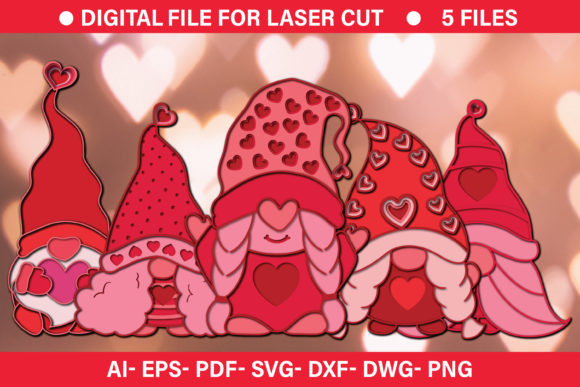
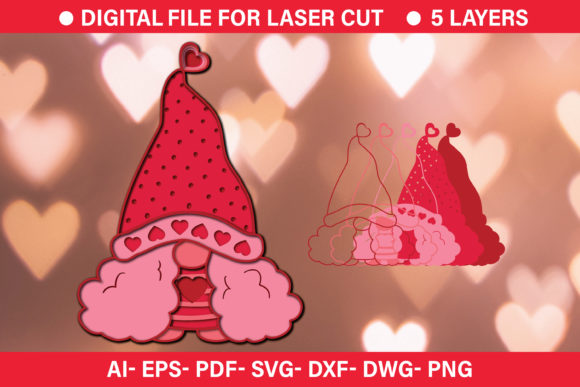
The 3d Valentine Gnome Paper Cut SVG File is originally marketed as a digital multilayer layout for cutting machines. For an Etsy seller or craft business owner, this distinction matters immensely. In the world of Graphics and Crafts, clean vector lines are king. In embroidery, however, we deal with thread tension, fabric distortion, and physical depth. Visually, this gnome design offers excellent separation of elements—the hat, beard, face, and heart accents are distinct layers. This is actually a massive advantage for digitizing.
Because the source file relies on clear, defined shapes rather than complex gradients, it naturally lends itself to an applique design workflow. Instead of trying to replicate the paper shadow effect with thousands of dense fill stitches, which can result in a bulletproof patch that ruins garment drape, I recommend treating each "paper" layer as a separate fabric piece. The embroidery file you create from this SVG should utilize running stitches for placement and satin stitches for securing edges. This preserves the 3D illusion through actual fabric stacking rather than stitch density, keeping the final handmade product soft and wearable.
Real-World Application: The Custom Sweatshirt Test
To truly evaluate this design, I mentally placed it in a current client scenario: a batch of custom Valentine’s Day sweatshirts for a local boutique. The goal was a high-perceived-value item that didn't feel like cheap, mass-produced holiday merch. The 3d Valentine Gnome Paper Cut SVG File fits this niche perfectly because of its dimensional promise.
For a sweatshirt embroidery project, the design needs to hold its own against heavy fleece without sinking into it. If I were producing this, I would use the SVG outlines to cut felt or cotton quilting fabric pieces, then embroider them onto the sweatshirt using a tear-away stabilizer. The whimsical nature of the gnome appeals to buyers looking for a personalized gift or cozy seasonal wear. However, success here depends entirely on scale. On a sweatshirt, this design shines at 6 to 8 inches wide. The layering effect reads clearly from a distance, making it perfect for retail photography and printable mockup presentations. Conversely, if you attempted this same complexity on a baby bib or cap, the details would likely get lost or become too stiff. Knowing where to apply this specific aesthetic is what separates hobbyists from professional apparel decorators.
Navigating Fabric Limitations and Hoop Constraints
While the design is versatile, it is not universally forgiving. As an experienced reviewer, I must highlight where caution is necessary. The intricate layering inherent in a paper-cut style means multiple stop points and trims. If you are working with stretchy knits or thin jersey, the cumulative weight of overlapping applique layers can cause tunneling or puckering.
I advise against using this specific layout on curved surfaces like caps unless you have significant experience with cylindrical hooping and adhesive stabilizers. The flat, stacked geometry of the 3d Valentine Gnome Paper Cut SVG File fights against the curve of a hat brim. Similarly, be wary of dark fabrics. Unless you plan to use light-colored base fabrics for the applique layers, the contrast required to show off the 3D effect will vanish. For commercial embroidery projects intended for frequent washing, such as kitchen towels or aprons, ensure your edge finishing is robust. A raw-edge applique might look artistic initially, but after ten wash cycles, it could fray and degrade the perceived quality of your small shop product. Always opt for a tight satin border or a blanket stitch to secure those paper-cut edges permanently.
Professional Designer Notes for Production Success
Before you load this design into your machine or list a finished item in your shop, run through this practical checklist. These steps have saved me countless hours and dollars in wasted materials:
- Verify Licensing Terms: Since this is a digital asset originally for cutting machines, confirm explicitly whether the license covers commercial embroidery sales or just personal crafting. Never assume cross-medium rights.
- Test Stitch Density: Do not rely on auto-digitizing software to handle the layering correctly. Manually adjust the underlay to prevent fabric push-and-pull, especially where three or more layers overlap.
- Contrast Check: Create a black-and-white version of your thread plan. If the gnome’s beard blends into the hat in grayscale, it will blend together when stitched. Value contrast is more important than color hue.
- Stabilizer Selection: For this multi-layer style, a cutaway stabilizer is often safer than tear-away for garments to support the added weight of the fabric pieces.
- Mockup Validation: Before stitching, place the SVG over a photo of your intended fabric texture. Does the design scale match the weave? A delicate paper-cut line can disappear on chunky linen.
Elevating Brand Value Through Intentional Design
Ultimately, the 3d Valentine Gnome Paper Cut SVG File is a strong foundation for creators willing to adapt it thoughtfully. It avoids the generic clip-art trap by offering structural depth that mimics high-end paper crafts. For digital product sellers and makers, this translates to higher buyer engagement because the design feels tactile even on screen.
When executed correctly as an embroidery project, it signals professionalism. Customers recognize the difference between a flat, dense stitch-out and a carefully constructed mixed-media piece. Whether you are creating a tote bag design for a market stall or a premium nursery pillow, respecting the origin of the file while adapting it for textile realities ensures your finished product stands out. Remember, the best design assets are not just downloaded; they are interpreted. By applying these technical considerations, you transform a simple vector graphic into a profitable, beloved piece of embroidered art that resonates with the handmade community and satisfies the practical demands of daily use.