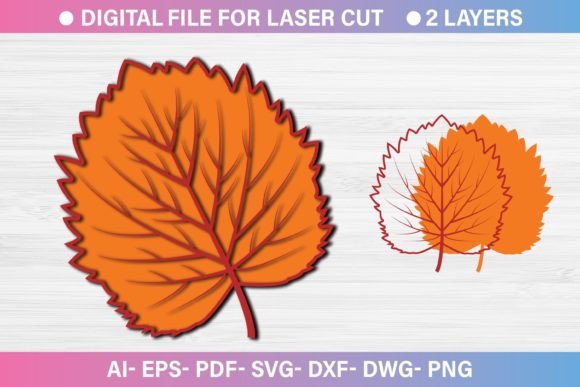
3D Autumn Leaves Paper Cut SVG File Review
As a professional embroidery designer who constantly bridges the gap between digital assets and tangible textiles, I approach every new file with a specific question: will this actually stitch out beautifully, or is it just a pretty screen image? When I first opened the 3d Autumn Leaves Paper Cut SVG File, my immediate reaction was that this design captures the essence of seasonal layering perfectly. However, because this asset is originally prepared for laser cutting and CNC routers, translating its paper-cut aesthetic into a machine embroidery design requires a thoughtful, technical eye. The visual depth created by the multilayer layout is stunning on screen, but for those of us creating custom apparel or holiday embroidery, we have to evaluate how those layers translate to thread tension and fabric stability.
Translating Laser Aesthetics to Thread and Fabric
The "paper cut" style relies heavily on distinct separation between layers to create shadow and depth. In the world of Crafts and Graphics, this is achieved through physical spacing. In embroidery, we achieve this through stitch type contrast. When reviewing this 3d Autumn Leaves Paper Cut SVG File for textile application, I look for opportunities to differentiate the layers. A successful adaptation uses a dense satin stitch for the top leaf layer to mimic the crisp edge of cut paper, while utilizing a lighter fill stitch or even a textured running stitch for the background elements. This variance in stitch density is crucial. If every layer is stitched with the same heavy density, you lose the 3D effect and risk puckering the fabric. For an Etsy seller or small shop product creator, maintaining that visual hierarchy is what separates a premium handmade product from a flat, amateur attempt.
Real-World Application: The Custom Sweatshirt Test
To truly judge the viability of this design, I mentally placed it on a current best-seller in my shop: a heavyweight cotton fleece sweatshirt. Autumn leaves are a staple for sweatshirt embroidery, but the multilayer nature of this specific file presents unique challenges on knit fabrics. Fleece has texture and stretch, which can swallow fine details. In this scenario, the 3d Autumn Leaves Paper Cut SVG File would need to be scaled appropriately. Too small, and the internal layers merge into a muddy blob of thread; too large, and the dense coverage makes the garment stiff and unwearable.
I envision this working best as a center chest placement or a large back piece where there is ample room for the layers to breathe. For a tote bag design, the canvas provides a much more stable foundation for this intricate style. The natural weave of canvas complements the organic lines of autumn foliage, allowing the applique design elements to sit flat and crisp. If you are a craft business owner planning a fall collection, I highly recommend testing this on canvas or denim before committing to performance wear or stretchy knits. The structural integrity of the fabric must support the weight of the multilayer stitching.
Navigating Technical Constraints and Hoop Sizes
One critical aspect of using a file originally intended for laser cutting is verifying the digitizing parameters for embroidery. Before loading this embroidery file into your machine, you must confirm the hoop size requirements. Multilayer designs often have expansive footprints. If you attempt to shrink this design down to fit a 4x4 hoop for a baby bib or cap, you will likely lose the defining gaps between the paper-cut layers. Those negative spaces are what make the design read as "3D." Without them, it is just a pile of leaves.
Furthermore, consider the stabilizer strategy. Because this design mimics layered paper, it inherently carries more stitch volume than a standard outline motif. On a tea towel or linen pillow cover, use a high-quality cut-away stabilizer to prevent tunneling between the layers. For baby embroidery items, be cautious. The density required to replicate the paper-cut look might be too abrasive for delicate infant skin. Always run a test stitch-out on scrap fabric that matches your final project's weight and texture. Check the back of the sample; if it feels like cardboard, reduce the density or simplify the layers. Your customers value comfort as much as aesthetics, and a stiff, scratchy personalized gift will not generate repeat business.
Commercial Viability and Brand Presentation
For digital product sellers and makers focusing on commercial embroidery, presentation is everything. The 3d Autumn Leaves Paper Cut SVG File offers excellent potential for high-value merchandise because of its perceived complexity. It looks expensive. However, to sell finished goods effectively, your mockups must be accurate. Do not rely solely on digital previews. Stitch out a sample and photograph it in natural lighting. Show the texture. Buyers need to see how the light hits the raised satin stitches versus the recessed fill areas. This tactile reality builds trust.
If you are selling the digital assets themselves or using them for printable mockup listings, ensure you clearly communicate the intended use. Since the description mentions laser and CNC compatibility, clarify whether the included files have been optimized for needle and thread. Transparency prevents returns and negative reviews. As an Etsy seller, I always verify licensing terms before incorporating any design assets into products for sale. Ensure you have the commercial rights to sell finished embroidered patch sets or apparel featuring this specific artwork. Protecting your business means respecting intellectual property while delivering original value through your execution.
Designer Notes for Optimal Results
After evaluating the structure and application of this design, here are my practical takeaways for fellow makers:
- Contrast is Key: Use distinct thread colors for each layer to enhance the 3D effect. Tone-on-tone works only if the stitch types vary significantly.
- Fabric Selection Matters: Avoid thin, sheer, or highly elastic fabrics. The design demands stability. Woven cottons, linens, and heavy fleeces are ideal.
- Check Small Details: Inspect the file for tiny connectors or bridges common in laser files. These may need to be removed or reinforced for embroidery to prevent thread breaks.
- Test Wash Durability: Multilayer designs can trap moisture or distort after laundering. Pre-wash your fabric and test the durability of the finished product before listing it for sale.
- Verify Compatibility: Confirm the ZIP folder contents match your machine’s format requirements. Not all cutting files auto-convert cleanly to embroidery formats without manual digitizing adjustments.
Ultimately, the 3d Autumn Leaves Paper Cut SVG File is a beautiful starting point for seasonal projects, provided you treat it as a blueprint rather than a final instruction. By applying professional judgment regarding density, fabric choice, and scale, you can transform this digital graphic into a stunning, tactile piece of art that resonates with customers and elevates your brand. Whether you are stitching a boutique holiday gift or expanding your digital catalog, success lies in the details of execution. Happy stitching!