3D Yin Yang Mandala SVG: Graphics for Crafts Branding
Evaluating Visual Balance for a Holistic Skincare Identity
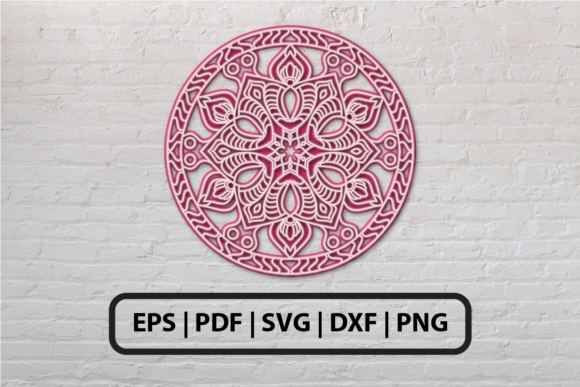
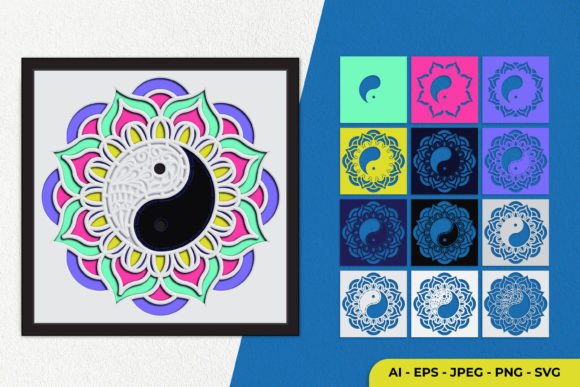
When reviewing the 3D Yin Yang Mandala Layered Papercut SVG for a recent client project, my primary focus was assessing its viability beyond simple hobbyist use. As a brand designer working with a local organic skincare business, I needed a graphic design asset that communicated balance, natural harmony, and artisanal quality without appearing generic. The first impression of this file is striking; it possesses a tactile depth that flat vector art often lacks. The layered papercut aesthetic suggests a handmade, thoughtful process, which aligns perfectly with small business branding in the wellness, spa, or boutique sectors. It does not feel corporate or sterile. Instead, it evokes a mood that is simultaneously spiritual and grounded, making it an excellent candidate for brands that want to emphasize holistic ingredients or mindful consumption.
For this specific skincare line, the mandala served as more than just decoration; it acted as a visual anchor for the entire brand identity. The interplay of positive and negative space in the yin-yang motif reinforces concepts of duality and restoration, which are central to the client’s messaging. However, successful commercial design requires more than a pretty picture. I had to determine if this asset could scale across various touchpoints while maintaining legibility and professional appeal. The intricate layering implies a premium price point, suggesting that products featuring this graphic are crafted with care rather than mass-produced.
Translating Digital Layers into Physical Packaging Design
The true test of any SVG design in a commercial context is its adaptability across physical media. For the skincare project, we utilized the 3D Yin Yang Mandala Layered Papercut SVG primarily as a secondary brand element rather than the primary logo. This distinction is crucial. While the file is complex enough to stand alone, using it as a supporting illustration allows for greater flexibility in packaging design. We applied the mandala as a subtle background texture on matte paper boxes and as a focal point on round jar labels. The layered effect translates beautifully when printed on textured stock, enhancing the sensory experience of unboxing.
Beyond packaging, this asset proved invaluable for creating cohesive marketing visuals. We extracted individual layers from the mandala to create custom social media frames and story highlights. This modular approach ensures that the visual hierarchy remains clear; the mandala adds interest without overwhelming product photography or essential copy. For local businesses operating on tight budgets, having a versatile digital product that can be repurposed for flyers, thank-you cards, and website banners is a significant advantage. It bridges the gap between digital presence and physical retail, creating a unified customer journey.
Strategic Applications for Local Retail and Service Businesses
Based on my evaluation, this graphic excels in specific commercial scenarios where emotional connection drives sales. It is particularly effective for:
- Product Labels: Use as a watermark behind text on glass bottles or kraft paper pouches to add perceived value.
- Retail Signage: Large-format window decals or interior wall art that reinforces the store’s atmosphere.
- Promotional Inserts: Printed on cardstock for package stuffers, loyalty cards, or seasonal greeting notes.
- Social Media Graphics: Animated reveals or static posts that highlight new product launches with a consistent theme.
- Editorial Design: Blog headers or newsletter graphics for wellness coaches and yoga studios.
In each of these applications, the asset supports professional branding by providing a recognizable visual motif that customers begin to associate with the business. It transforms standard printable design materials into branded assets that feel intentional and high-end.
Navigating Limitations in Commercial Layouts
Despite its versatility, the 3D Yin Yang Mandala Layered Papercut SVG requires careful handling to avoid common pitfalls in local business design. The complexity of the papercut style means it can easily become muddy at small sizes. During testing, I found that reducing the graphic below two inches resulted in lost detail, making it unsuitable for tiny ingredient labels or legal compliance areas. In packaging design, clarity is paramount; decorative elements should never compete with mandatory information like net weight or allergen warnings.
Furthermore, this asset may not suit every brand personality. It leans heavily towards feminine, organic, or spiritual aesthetics. For a tech startup, a minimalist luxury watch brand, or a high-contrast streetwear label, this mandala might feel out of place. Designers must also be wary of contrast issues. Because the design relies on shadow and depth simulation, placing it on a busy or low-contrast background can render it invisible. Always test the clipart against your specific brand color palette before finalizing layouts. Additionally, ensure you have verified the commercial license. Using design assets from a creative marketplace for client work or product sales requires explicit permission to avoid legal complications.
Technical Validation for Professional Output
Before integrating this file into a live project, I recommend a rigorous technical audit. As an experienced designer, I follow this checklist to ensure the asset meets industry standards:
- Vector Integrity: Open the SVG in Illustrator or Affinity Designer to check for open paths or stray nodes that could cause printing errors.
- Scalability Test: Resize the graphic to both business card size and poster size to verify line weight consistency.
- Typography Pairing: Test the mandala alongside serif, sans-serif, and script fonts to ensure the ornate details do not clash with your typeface choice.
- Mockup Verification: Never rely solely on screen previews. Place the design on realistic product mockups to see how it interacts with lighting and material textures.
- Color Mode Check: Convert colors to CMYK for print projects to prevent unexpected shifts in hue, especially with earth tones and pastels.
- Licensing Review: Confirm the terms allow for physical product sales and third-party client work, not just personal crafting.
These steps distinguish amateur usage from professional branding. While these are cutting files designed for use with craft cutting machines such as Silhouette, Cricut or other cutting machines, their application in commercial design demands a higher level of scrutiny.
Elevating Customer Trust Through Intentional Design
Ultimately, the value of the 3D Yin Yang Mandala Layered Papercut SVG lies in its ability to humanize a brand. For handmade business owners and local artisans, competing with big-box retailers requires leveraging authenticity. This graphic asset provides a shortcut to conveying craftsmanship and attention to detail. When used correctly in logo design accents, packaging, or web design, it signals to the customer that the business cares about aesthetics and experience.
However, designers must remember that the asset is a tool, not a solution. It supports the brand narrative but does not replace the need for solid strategy. Whether you are designing for a tea shop, a meditation studio, or a sustainable clothing line, the key is integration. Ensure the mandala complements your visual hierarchy rather than dominating it. By treating this graphic design asset with the same rigor as custom illustration, small businesses can achieve a polished, trustworthy look that resonates with their target audience and stands the test of time. The result is not just a decorated product, but a cohesive brand experience that fosters loyalty and recognition in a crowded local market.