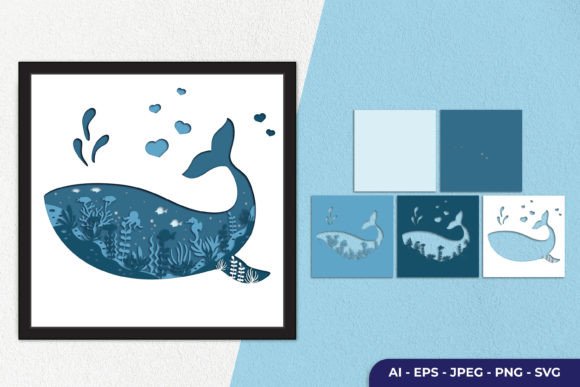
3D Ocean Inside Whale Layered Papercut Graphics for Crafts
As a digital publisher and blog designer, I constantly evaluate visual assets not just for their aesthetic appeal, but for their functional utility in a real content workflow. When I first opened the files for the 3D Ocean Inside Whale Layered Papercut, my immediate assessment focused on its potential to elevate editorial storytelling. This is not merely a decorative element; it is a sophisticated graphic design asset that bridges the gap between traditional crafts and modern web design. The layered depth creates an instant sense of wonder and tactile quality that flat vector art often lacks. For publishers in the lifestyle, education, or creative niche, this asset establishes a mood that is simultaneously playful, artistic, and meticulously detailed. It signals to the reader that the content they are about to consume has been curated with care, enhancing perceived value before they even read the headline.
Elevating Editorial Design and Reader Trust
In the competitive landscape of content marketing, visual hierarchy dictates user engagement. The 3D Ocean Inside Whale Layered Papercut excels here because the inherent shadows and layering provide natural focal points. When used as a website header or a featured image, the depth guides the eye toward the center of the composition, creating a perfect negative space for overlaying typography. This is crucial for maintaining readability while adding visual interest. From an editorial design perspective, this asset supports narratives involving marine biology, ocean conservation, children’s literature, or mindfulness. The intricate paper-cut style evokes a sense of nostalgia and craftsmanship, which builds reader trust. It tells the audience that the publisher values quality over quantity. For affiliate marketers promoting eco-friendly products or educational resources, this level of visual polish can significantly improve click-through rates by making the content feel premium and authoritative rather than generic.
Strategic Applications Across Digital Publishing Channels
Versatility is the hallmark of a valuable digital download. In my publishing workflow, I have identified several high-impact use cases for this specific asset. As a Pinterest pin, the verticality and intricate details of the whale silhouette perform exceptionally well against solid color backgrounds, stopping the scroll effectively. For newsletter creators, using this graphic as a header banner adds a thematic consistency that reinforces brand identity without overwhelming the text-heavy nature of email content. Furthermore, this asset transitions seamlessly into product creation. Because these are cutting files designed for use with craft cutting machines such as Silhouette, Cricut, or other cutting machines, they serve a dual purpose. You can use the digital render for your blog graphics and then offer the physical papercut kit as a lead magnet or a paid digital product. This alignment between your site visuals and your downloadable resources creates a cohesive user experience that drives conversions.
- Blog Featured Images: Use the central whale motif with ample whitespace for title overlays to ensure accessibility and SEO-friendly alt text opportunities.
- Digital Guides and eBooks: Utilize the layered ocean elements as chapter dividers or cover art to maintain visual engagement throughout long-form content.
- Social Media Graphics: Adapt individual layers for Instagram stories or carousel posts to create interactive, animated-style content.
- Printable Design: Leverage the original cutting file format to create physical classroom decor or nursery art, expanding revenue streams beyond ad impressions.
- Canva Template Integration: Import the PNG or SVG versions into Canva to create reusable templates for consistent small business branding.
Optimizing Visual Performance and Web Accessibility
While the artistic merit of the 3D Ocean Inside Whale Layered Papercut is undeniable, technical execution determines its success on live websites. High-detail graphics can easily become muddy if not optimized correctly. When placing this asset in article thumbnails or category visuals, contrast is paramount. The intricate paper layers require a background color that distinguishes the shadow depths; otherwise, the 3D effect is lost on mobile screens. I recommend testing this graphic against both light and dark modes to ensure the visual hierarchy remains intact. Additionally, file size management is critical for Core Web Vitals. Always compress the rendered images without sacrificing the sharpness of the paper edges. Blurry edges destroy the illusion of a papercut and make the site look unprofessional. For publishers focusing on affiliate marketing or commercial design, always verify the commercial license terms included in your purchase. Ensuring you have the right to use the asset in monetized contexts protects your business and maintains ethical standards in the creative marketplace.
Typography Pairings and Layout Considerations
The success of any graphic design asset relies heavily on its relationship with typography. The organic, handcrafted nature of the 3D Ocean Inside Whale Layered Papercut demands thoughtful font pairing. During my review process, I tested the asset against various typefaces to determine optimal readability and mood alignment. Serif fonts complement the traditional, storybook quality of the papercut style, making them ideal for editorial headers and long-form articles. Conversely, clean sans-serif fonts provide a modern counterpoint that prevents the design from feeling too dated, which is essential for tech-forward educational blogs or modern design portfolios. Script fonts should be used sparingly, perhaps only for accent words, as the complexity of the whale illustration already provides significant visual texture. Handwritten fonts can enhance the personal, DIY feel but must be legible at smaller sizes. Display fonts work best for hero sections where the graphic serves as a backdrop rather than a competing foreground element.
Navigating Limitations and Contextual Fit
No single asset fits every publishing scenario, and recognizing where the 3D Ocean Inside Whale Layered Papercut falls short is as important as knowing its strengths. This graphic is highly stylized and illustrative, making it less suitable for corporate finance, legal advice, or ultra-minimalist tech reviews where such whimsy might undermine professional authority. It thrives in creative, educational, and lifestyle environments but may clash with serious or somber content topics. Furthermore, when using this asset in busy layouts or sidebars, exercise caution. The density of the layered ocean details can compete with adjacent text or navigation elements. In these instances, consider isolating a single layer or using a simplified version of the whale to maintain clarity. Mobile responsiveness also requires vigilance; what looks stunning on a desktop hero banner may become an indistinguishable blob on a phone screen. Always preview your layouts across devices to ensure the visual communication remains effective regardless of viewport size.
Final Publisher Notes on Asset Integration
Integrating the 3D Ocean Inside Whale Layered Papercut into your content strategy offers a unique opportunity to differentiate your brand through distinctive visual storytelling. Whether you are creating a digital guide for educators, designing a nursery-themed affiliate blog, or developing printable design products for a creative marketplace, this asset provides a strong foundation for professional-quality visuals. Remember to treat it as a flexible component of your broader design system rather than a standalone novelty. Test it rigorously within your actual blog layout, check its performance in black and white for accessibility compliance, and ensure it aligns with your overall brand identity. By approaching this graphic with the same strategic rigor you apply to your written content, you transform a simple craft file into a powerful engine for reader engagement and site growth. The intersection of traditional papercut aesthetics and digital publishing workflows represents a compelling trend in modern web design, and this asset places you squarely at the forefront of that movement.